


ePacket Logistics Solutions for EU Shipping: IOSS & VAT
For packages destined for the EU, reliance on postage for shipping costs has become misleading. At Fexbuy, we consider ePacket Logistics Solutions an end-to-end solution for determining transport feasibility, collecting VAT, customs classification and duty, electronic data, last-mile delivery and returns, among others.
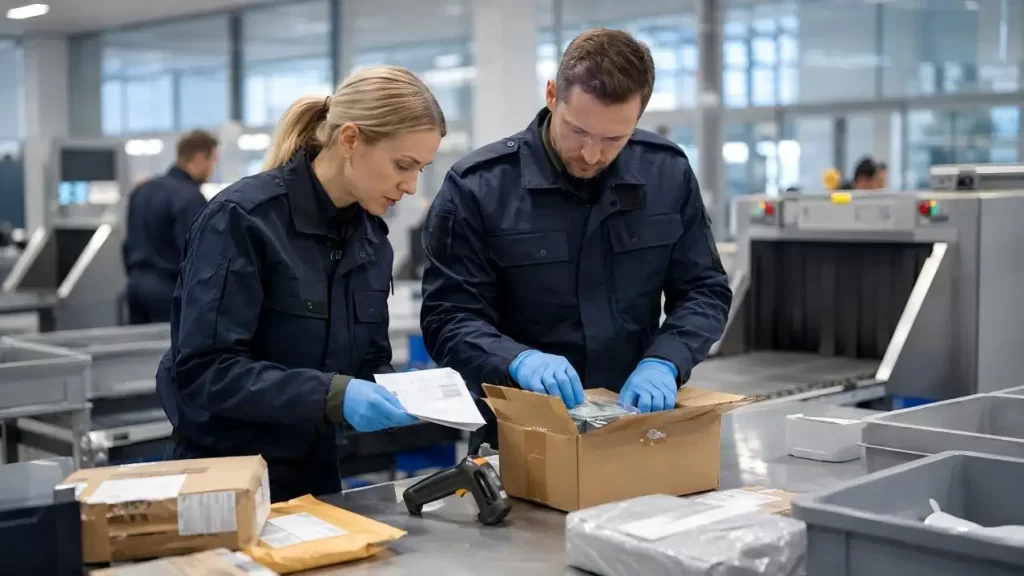
An incorrect HS code, declared value, country of origin or IOSS information can quickly make a seemingly low shipping quote very expensive.
What Are ePacket Logistics Solutions?
ePacket Logistics Solutions use international postal networks to move relatively lightweight B2C parcels from the origin country to an EU destination. Final delivery is normally completed by a local postal operator.
This channel is generally better suited to:
• Lightweight, compact e-commerce parcels
• Relatively low-value consumer orders
• Standard products without special handling requirements
• Cost-sensitive shipments that are not date-critical
• Sellers able to provide complete electronic customs data
Transit time, weight limits, tracking coverage, and accepted products vary by route. These details should be verified before the seller publishes a delivery promise.
How IOSS Works With ePacket Logistics Solutions
The Import One-Stop Shop simplifies VAT reporting for eligible distance sales of imported goods with an intrinsic value not exceeding €150.
Under an IOSS transaction:
- VAT is charged at checkout using the rate applicable in the customer’s EU member state.
- The seller or marketplace reports and pays that VAT through IOSS.
- The IOSS reference is transmitted securely within the customs data.
- The customer should not normally be charged the same import VAT again during delivery.
IOSS is a VAT mechanism, not a shipping product. ePacket Logistics Solutions’s selection will not register a seller for IOSS nor will it make a parcel tax-paid.
Without IOSS in place, VAT can be collected through special arrangements or through standard import procedures. This can result in collection costs, friction in delivery or refusal of the parcel by the courier if the customer was not previously notified.
VAT, Customs Duty, and Handling Fees Are Different
From the 1st of July 2026, the EU will temporarily charge a €3 customs duty on certain distance-selling goods in a consignment of a value of up to €150. This customs duty will be charged regardless of how VAT is processed, be it through IOSS, special arrangements, or the standard VAT process.
| Cost element | Basis | Typical responsible party | Covered by IOSS? |
| Import VAT | Destination-country VAT rate | Seller or marketplace under IOSS | Yes |
| Temporary customs duty | Tariff-classification item | Declarant, seller, or importer | No |
| International postage | Weight, dimensions, and route | Seller or shipper | No |
| Clearance or handling fee | Operator and customs procedure | Agreed party | No |
| Return cost | Failed delivery or customer return | Contract-dependent | No |
The €3 duty is determined by tariff-classification item, not simply by the number of physical units. For example, five T-shirts under one classification may generate €3, while a T-shirt and a watch under separate classifications may generate €6.
The temporary duty is scheduled to remain until July 1, 2028. Product Identifiers are expected to become mandatory from November 1, 2026. A proposed EU handling fee is separate from the €3 duty and should not be presented as a confirmed charge until its final implementation details are published. Sellers can review the European Commission’s low-value import guidance.

Customs Data Required for EU ePacket Parcels
Effective ePacket Logistics Solutions depend on complete electronic advance data. At Fexbuy, we recommend preparing the following before handover:
• Precise commercial product description
• HS or CN tariff classification
• Quantity and intrinsic value
• Country of origin
• Freight and insurance costs
• Sender and consignee information
• IOSS reference, where applicable
• Product Identifier, where required
• Supporting safety, labeling, or certification documents
The sales order, commercial invoice, shipping label, and electronic customs declaration must all contain the same information. Information such as “accessory,” “gift,” or “sample” is inadequate description and could lead to the shipment being inspected.
Batteries, liquids, cosmetics, electronics, food supplements, and medical-related goods are subject to extra screening. Clearance through an ePacket route does not mean that the product complies with the EU product rules.
Calculating the Real Landed Cost
When ePacket Logistics Solutions are compared, the total landed cost should be used rather than postage alone:
Landed Cost = Product Cost + Shipping + VAT + Customs Duty + Clearance Fees + Last-Mile Charges + Expected Return Cost
Distinguishing these values can be difficult:
• Intrinsic value: Used to set the IOSS threshold of €150 and the low value threshold.
• VAT taxable amount: Can be higher than the invoiced amount due to surcharges, and is determined by regular VAT rules.
• Declared customs value: Must be in line with the transaction value and the rules of customs.
Surprise taxes and collection fees, upon delivery, increase the order rejection rate. For this reason, sellers have to decide whether they will charge VAT and other fees at the point of sale (along with potential other charges at the point of import).
Avoiding Delays and Charging VAT Twice
A correct ePacket Logistics Solutions process should include the following:
- Verify that the route covers the parcel, determine the expected transit time, and check if there are any service disruptions.
- Decide who will bear the VAT, customs duties and clearance fees.
- Check the HS codes and the origin and declared value.
- Reconcile the sales transaction with the IOSS data.
- Can the product be posted both exported and imported to the EU?
- Review custom events and last mile service related events.
- Establish procedures for parcels that are returned, redelivered, or abandoned.
There will be consequences for trying to go around the €150 threshold. This will include delays and further inspection. Some examples of going around the threshold are splitting orders or undervaluating goods.

When Should Sellers Choose Another Shipping Method?
| Shipping Requirement | More Appropriate Option |
| Lightweight, non-urgent B2C parcel | ePacket Logistics Solutions |
| Urgent or date-critical delivery | Premium express courier |
| Large, heavy, or consolidated inventory | Air, rail, or sea freight |
| High EU order volume | Bulk import plus EU fulfillment |
| Battery or regulated product | Approved specialist shipping line |
| Order above €150 | Standard import-clearance solution |
This comparison prevents ePacket from being selected simply because it has the lowest initial freight rate.
Frequently Asked Questions
Are VAT costs included in ePacket Logistics Solutions?
VAT costs are separated from ePacket Logistics Solutions, and must be managed through IOSS, special arrangements, or standard import procedures.
Can IOSS be used for values exceeding €150?
According to the guidelines, IOSS is to be used for values within the threshold. Therefore, import processes will be necessary for values that exceed the threshold.
Does IOSS cover the €3 customs duty?
No, IOSS is only used to declare and pay VAT for the purchase.
Can incorrect IOSS data lead to a delay for a parcel?
Yes, a lack of or incorrect reference can result in VAT being charged again, additional examination, and the release of the parcel being delayed.
Are all small products eligible for ePacket?
No, there are still product restrictions, postal acceptance rules, certifications, and regulations of the destination country.
A More Controlled EU Parcel Strategy
At Fexbuy, we view ePacket Logistics Solutions as one part of a compliant small-parcel strategy—not a substitute for correct tax and customs preparation. Sellers can explore Fexbuy’s E-Packet Service to review route availability, parcel requirements, tracking options, estimated transit times, and documentation needs before shipping.


