


African Freight Forwarding: Complete Guide to Shipping, Customs & Logistics Solutions
Africa is one of the fastest-growing regions for global trade, driven by rising consumer demand, infrastructure investment, and new trade policies such as the African Continental Free Trade Area (AfCFTA). As more shippers source from and sell into African markets, freight forwarding has become a strategic function rather than a back-office task.
This page provides a practical, up-to-date guide to freight forwarding in Africa: how it works, current market trends, common challenges, key trade corridors, and how to select a reliable freight forwarder to and from African countries.
1. What Is African Freight Forwarding?
Freight forwarding in Africa covers the planning, coordination, and execution of shipping cargo in and out of African countries by sea, air, road, and, in some regions, rail. A freight forwarder acts as your logistics partner, handling documentation, customs, carrier booking, and local last-mile delivery.
Typical services include:
- International ocean and air freight
- Inland haulage (truck and, where available, rail)
- Customs clearance and compliance with local regulations
- Cargo consolidation and deconsolidation
- Warehousing and distribution
- Cargo insurance coordination
- Trade documentation (bills of lading, certificates of origin, etc.)
Because African markets can be complex, with multiple regulatory regimes, variable infrastructure quality, and evolving customs systems, working with a forwarder that understands local realities on the ground is critical to avoid delays and unexpected costs.
2. Why African Freight Forwarding Matters Now
2.1 Market Momentum & Trade Growth
Trade patterns vary by country, but several dynamics are driving demand for African freight forwarding services:
Population and consumption growth. Africa has a young and rapidly urbanizing population. Demand for consumer goods, machinery, pharmaceuticals, and e-commerce deliveries is expanding, especially in Nigeria, South Africa, Kenya, Egypt, and Ghana.
Infrastructure investments. Many governments and private investors are upgrading ports, airports, and logistics parks. Major ports such as Lagos, Mombasa, and Durban are expanding, and new industrial zones are opening in East and West Africa. These improvements gradually increase capacity and reliability, but navigating capacity constraints remains an operational challenge.
AfCFTA and regional integration. The African Continental Free Trade Area aims to reduce tariffs and non-tariff barriers between member states over time. While implementation is gradual, shippers are already exploring intra-African trade routes, which require specialized knowledge of cross-border trucking and regional customs protocols.
Diversification of global supply chains. As companies re-evaluate over-reliance on limited sourcing regions, they are looking at African manufacturing and assembly hubs, particularly in textiles, agriculture, automotive assembly, and electronics. This increases demand for export-oriented freight forwarding from Africa to Europe, the Middle East, Asia, and the Americas.
2.2 E-Commerce and Time-Sensitive Logistics
E-commerce platforms and digital marketplaces are gaining traction in major African cities. This creates new demand for faster air freight solutions for small parcels and high-value goods, more reliable last-mile delivery in congested urban areas, and integrated fulfillment and warehousing near key markets.
Freight forwarders that combine traditional B2B capabilities with parcel handling, customs clearance, and local distribution can support this evolving segment.
3. Core Services in African Freight Forwarding
3.1 Ocean Freight to and From Africa
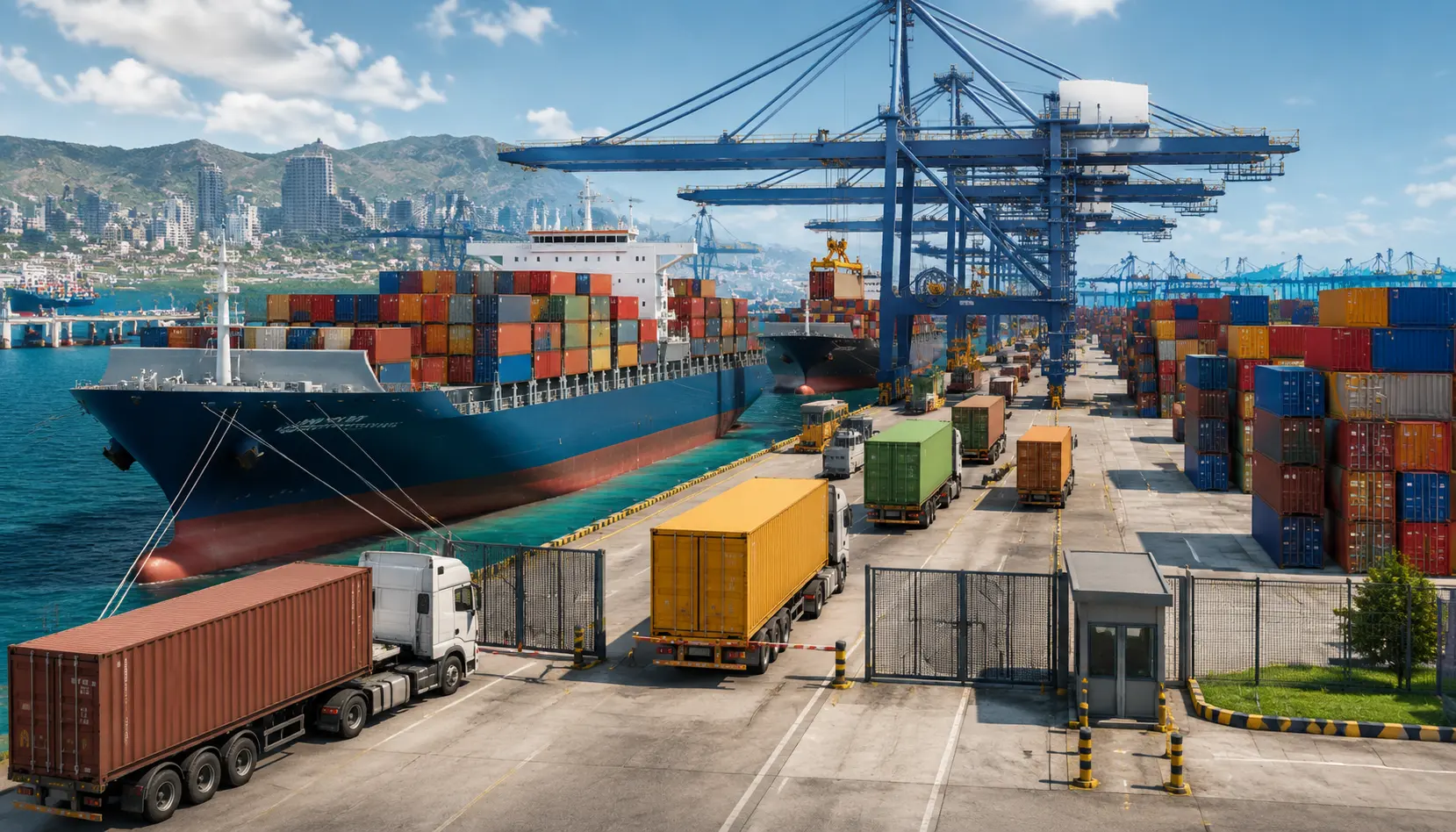
Sea freight is the backbone of African international trade, especially for containerized goods, bulk commodities, and project cargo.
Containerized imports include machinery, electronics, consumer goods, vehicles and parts, foodstuffs, chemicals, and building materials. Containerized exports include agricultural products, minerals and metals, textiles, and manufactured goods from emerging industrial hubs. Bulk and break-bulk cargo for energy, mining, and large infrastructure projects often requires heavy-lift logistics and specialized vessels.
Typical ocean freight services your African forwarder may offer include FCL (Full Container Load) and LCL (Less than Container Load), break-bulk and Ro-Ro (Roll-on/Roll-off) for vehicles and equipment, port handling and terminal coordination, container stuffing and unstuffing, palletization and labeling, and documentation and coordination with shipping lines.
3.2 Air Freight for African Trade
Where speed and reliability are critical, air freight is often the only viable solution. This is particularly relevant for pharmaceuticals and medical supplies, high-value electronics, urgent spare parts and project-critical components, and perishables such as flowers, fruits, and vegetables.
In many African markets, capacity and flight frequency can be constrained, and some airports have limited cold-chain or specialized handling infrastructure. A forwarder with strong airline relationships and experience in African air cargo operations can help you secure space during peak seasons, optimize routing and transit times, ensure correct packaging and handling requirements, and manage customs clearance for time-sensitive shipments.
3.3 Road and Inland Transport in Africa
Once your cargo arrives at an African port or airport, inland logistics determine whether your supply chain runs smoothly.
African inland freight forwarding typically includes cross-border trucking between landlocked countries and coastal ports, domestic distribution from ports and airports to warehouses and final customers, specialized trucking for over-dimensional or high-value cargo, and coordination with rail where viable.
Road conditions, security considerations, and regulatory checkpoints can add complexity. Forwarders familiar with regional trucking corridors and border posts can significantly reduce transit times and the risk of delays.
4. Customs & Regulatory Compliance in African Freight Forwarding
4.1 Understanding Customs in African Markets
Customs rules across African countries are diverse and frequently updated. Key aspects that a freight forwarder must manage include tariff classification and duties, VAT and other import taxes, licensing requirements for restricted goods, sanitary and phytosanitary regulations for food and agricultural cargo, pre-shipment inspection requirements in selected countries, and electronic customs systems (where implemented) and paper-based processes (still common in some areas).
A forwarder experienced in African customs clearance will help you prepare and verify documentation before cargo departure, avoid misclassification and under- or over-valuation issues, anticipate port charges, storage fees, and demurrage risks, and navigate local customs brokers and regulatory agencies.
4.2 Common Documentation for Shipping to and From Africa
While exact requirements differ by country and commodity, typical documents include commercial invoice, packing list, bill of lading or air waybill, certificate of origin, insurance certificate, import and export licenses where applicable, and health, veterinary, or phytosanitary certificates for relevant goods.
Missing or incorrect documentation is one of the main causes of clearance delays in African ports. A capable freight forwarder will double-check documentation before shipment and coordinate with your suppliers or buyers to ensure alignment.
5. Key Trade Corridors in African Freight Forwarding
5.1 Africa–Europe Trade Lane
Europe is one of Africa’s largest trading partners. Exports from Africa to Europe include agricultural products, raw materials, textiles, and increasingly manufactured goods. Imports into Africa from Europe include machinery, vehicles, pharmaceuticals, industrial equipment, and high-value consumer products.
For shippers on this lane, forwarders need to manage capacity and seasonality, compliance with EU standards for food and consumer products, and port congestion in selected African hubs and transit ports.
5.2 Africa–Asia and Africa–Middle East Routes
Trade with Asia (especially China, India, and Southeast Asia) and the Middle East has expanded rapidly, particularly for construction materials, electronics, machinery, and consumer goods.
Forwarding on these routes often involves large volumes of containerized imports into African ports, project logistics for infrastructure and energy developments, and coordinating multimodal routes via regional transshipment hubs.
5.3 Intra-African Trade
AfCFTA aims to boost intra-African trade by reducing tariffs and harmonizing standards over time. Even before full implementation, regional communities such as ECOWAS, EAC, and SADC have created cross-border opportunities.
Intra-African freight forwarding is characterized by cross-border trucking and sometimes rail, multiple customs checkpoints and regional transit documents, the need for local partners or own offices in several countries, and handling small to medium-sized shipments for regional distributors.
6. Main Challenges in African Freight Forwarding
6.1 Port Congestion and Infrastructure Constraints
Some African ports face congestion during peak periods, driven by limited berths, yard capacity, or hinterland connectivity. This can lead to longer vessel waiting times, higher demurrage and storage costs, and uncertainty in lead times.
An experienced forwarder will choose alternative ports when possible, optimize vessel and trucking schedules, and track containers proactively to minimize extra charges.
6.2 Regulatory Complexity and Policy Changes
Customs regulations, import bans, or currency controls can change with limited notice. Freight forwarders active in African markets continuously monitor these shifts and advise shippers on new documentation or licensing requirements, changes in duties and taxes, and temporary restrictions on certain products.
6.3 Security and Risk Management
In some regions, cargo theft, vandalism, or security concerns along certain routes must be taken seriously. Freight forwarders mitigate such risks via route planning and secure parking areas, sealed containers and monitored truck movements, and insurance solutions and risk-aware scheduling.
7. How to Choose a Freight Forwarder for African Shipments
Selecting the right African freight forwarding partner is crucial for on-time, cost-effective deliveries.
7.1 Key Evaluation Criteria
Proven African experience. Look for a forwarder with a track record in your specific trade lanes and destination countries, not just global coverage on paper.
Local presence or reliable partners. Offices or vetted partner agents on the ground help resolve issues quickly, manage customs, and arrange inland transport.
Multimodal capabilities. The ability to combine ocean, air, and inland transport makes your supply chain more flexible and resilient.
Compliance expertise. In-depth understanding of African customs and regulatory frameworks reduces the risk of delays and penalties.
Visibility and technology. Shipment tracking, proactive alerts, and transparent documentation workflows are increasingly important for planning and inventory control.
Industry specialization. If you ship sensitive products such as pharmaceuticals, perishables, or oversized project cargo, look for a forwarder experienced in that specific segment.
7.2 Questions to Ask Your Potential African Freight Forwarder
- Which African ports and airports do you serve regularly?
- Do you have your own offices or partner agents in my target countries?
- How do you manage customs clearance and regulatory changes in Africa?
- Can you support both ocean and air freight with integrated inland trucking?
- What tools do you provide for shipment tracking and documentation?
- How do you handle exceptions, delays, or cargo incidents?
8. Typical Use Cases for African Freight Forwarding
8.1 Importing Consumer Goods into African Markets
Retailers and distributors importing electronics, apparel, or household items need consolidation at origin to optimize container loads, reliable transit times to align with marketing campaigns and seasonal demand, and warehousing and distribution near major cities.
A skilled African forwarder coordinates all steps, from supplier pickup to delivery into local distribution centers.
8.2 Exporting Agricultural Products from Africa
Producers and traders exporting coffee, cocoa, tea, fruits, nuts, or flowers have specific logistics needs: proper packaging and temperature control, compliance with destination country sanitary regulations, and coordination of harvest schedules with vessel or flight availability.
Forwarders play a key role in ensuring that cargo moves quickly from farms or processing facilities to ports and onto international markets, maintaining quality and reducing spoilage.
8.3 Project and Industrial Cargo
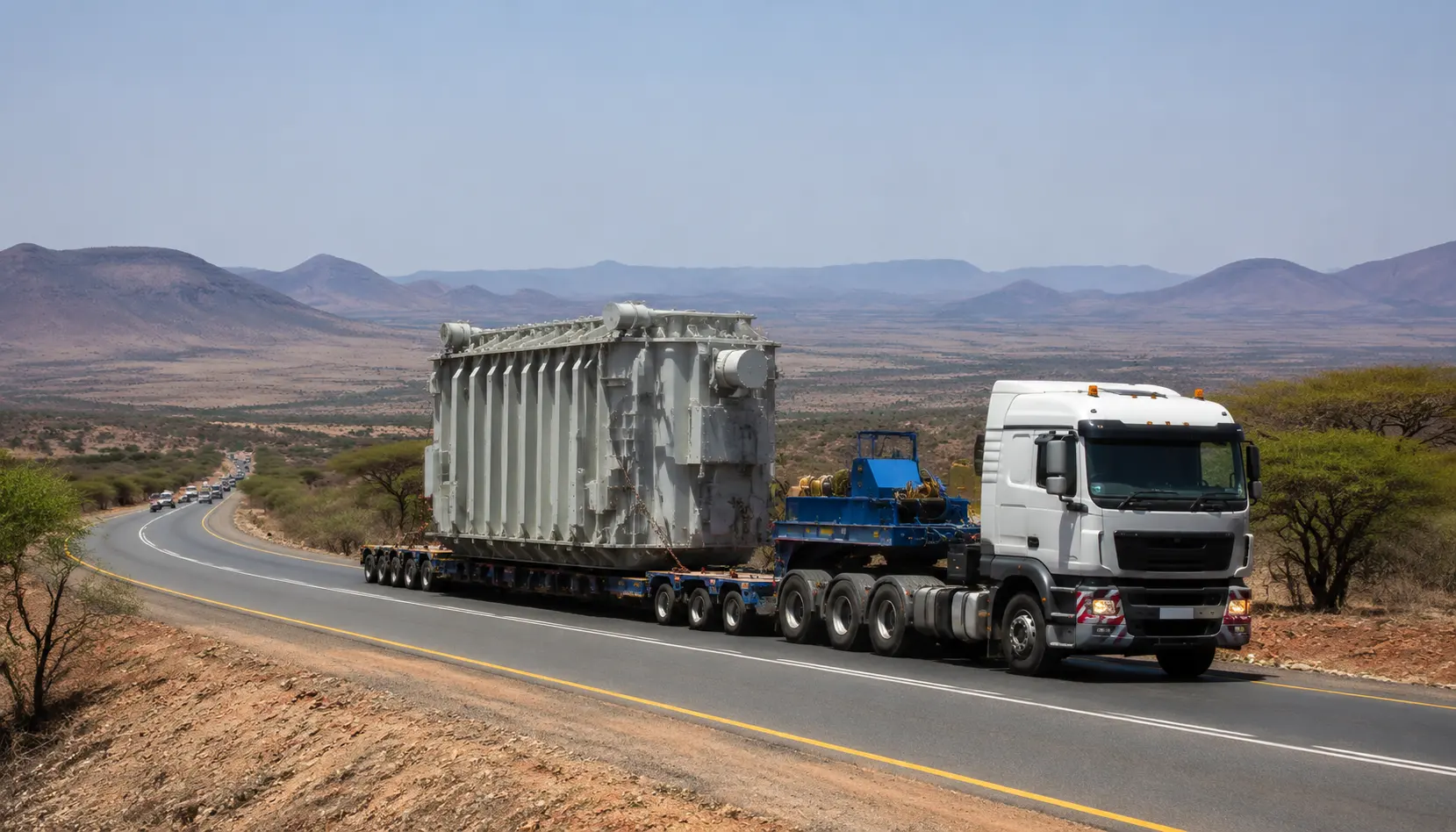
Oil and gas, mining, renewable energy, and infrastructure projects often involve oversized and heavy cargo requiring special handling, transport to remote inland locations, and complex customs and regulatory requirements.
In these scenarios, a forwarder with project logistics expertise in Africa is indispensable, managing route surveys, special permits, and on-site coordination.
9. Practical Tips for Shipping Cargo to and from Africa
Plan ahead. Build in lead-time buffers, particularly on routes with known congestion or seasonal peaks.
Clarify Incoterms. Agree clearly with buyers or suppliers on responsibilities (for example, FOB, CIF, DAP) to avoid disputes over freight, insurance, and customs.
Align documentation early. Prepare invoices, packing lists, and certificates well before shipment; ensure all details match across documents.
Consider insurance. Cargo insurance is recommended to protect against damage, theft, or delays, especially on long multimodal routes.
Leverage consolidation. For smaller volumes, LCL or air consolidation can reduce cost per unit and improve frequency of shipments.
10. How a Specialized Forwarder Supports African Trade
A logistics partner focused on international trade lanes and compliance can design end-to-end solutions from supplier to final customer, including ocean, air, and inland transport. They manage customs and import and export documentation across multiple African jurisdictions. They provide a single point of contact for complex routes and multi-country supply chains. They offer flexible routing options to bypass congestion or adapt to policy changes. They support long-term supply chain optimization, not just transactional bookings.
If your business is expanding into African markets or scaling exports from Africa, investing in a forwarder with the right expertise can make the difference between repeated delays and a stable, predictable logistics network.
11. Conclusion: Building a Competitive Advantage with African Freight Forwarding
African markets are evolving rapidly. Infrastructure is improving, digital tools are spreading, and policies like AfCFTA are gradually reshaping trade flows. Challenges such as port congestion, regulatory complexity, and diverse local conditions remain.
Freight forwarding is no longer a purely operational function; it is a strategic lever for any company that imports to, exports from, or distributes within Africa. By working with a knowledgeable forwarder and following best practices in planning, compliance, and risk management, you can shorten lead times and reduce uncertainty, control logistics costs and avoid unexpected fees, access new markets and trade lanes across the continent, and protect cargo quality and meet customer commitments.
When evaluating partners, focus on real African experience, local presence, and the ability to integrate ocean, air, and inland transport with strong customs and compliance support. This foundation will help your organization unlock the full potential of African trade while maintaining control over your supply chain.
Share:


